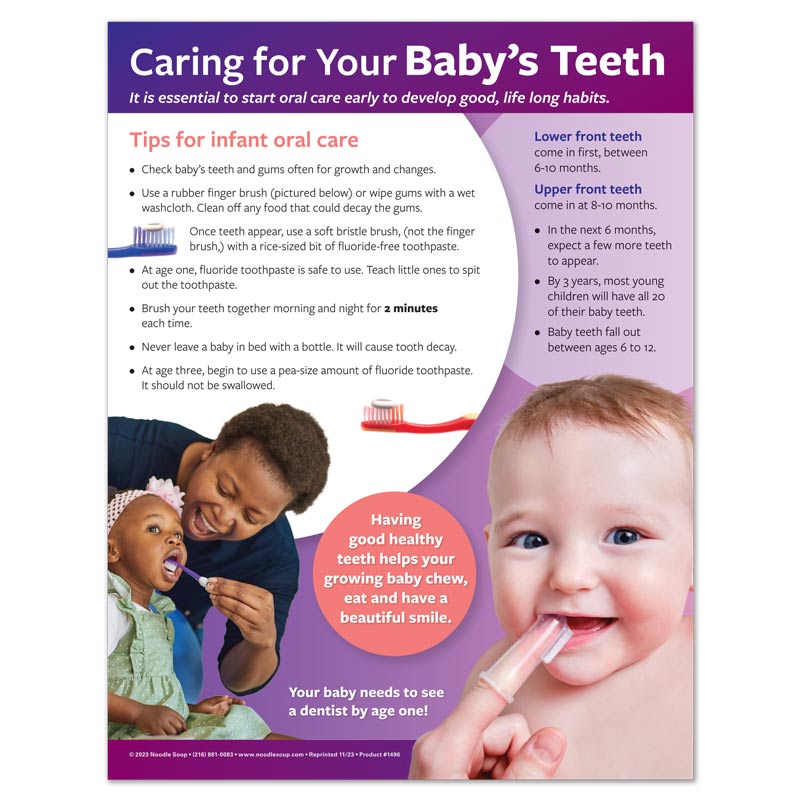
Taking care of your baby’s oral health is crucial for their overall well-being. Proper dental hygiene can prevent cavities, gum disease, and other oral health issues. As your baby’s teeth begin to erupt, it’s important to adjust your care routine to meet their changing needs.
6-10 Months: First Teeth (Usually the Lower Central Incisors)
This is a significant milestone for your baby. As the first teeth emerge, it’s time to start a consistent oral care routine.
- Wipe gums and teeth: Use a clean, damp cloth to gently wipe your baby’s gums and teeth twice a day. This helps remove food particles and plaque.
- Introduce a toothbrush: Once your baby has a few teeth, you can introduce a soft-bristled toothbrush. Use a pea-sized amount of fluoride toothpaste.
- Avoid sugary drinks: Limit sugary juices and drinks, as they can contribute to cavities.
- Regular check-ups: Schedule regular dental appointments for your baby. This will allow your dentist to monitor their oral health and provide any necessary guidance.
10-16 Months: Upper Central Incisors
As more teeth emerge, it becomes even more important to maintain good oral hygiene.
- Continue brushing: Brush your baby’s teeth twice a day with a soft-bristled toothbrush and a pea-sized amount of fluoride toothpaste.
- Floss if needed: If your baby’s teeth are close together, you can start flossing between them. Use a floss threader to help guide the floss.
- Watch for signs of teething: Teething can cause discomfort for babies. Look for signs such as fussiness, drooling, and chewing on objects. If your baby seems to be in pain, consult your pediatrician for advice.
16-24 Months: Lateral Incisors (Upper and Lower)
By this age, your baby should have a full set of incisors.
- Brush and floss regularly: Continue to brush your baby’s teeth twice a day and floss between teeth as needed.
- Limit sugary snacks: Avoid sugary snacks and drinks, as they can contribute to cavities.
- Teach proper brushing techniques: As your baby gets older, you can start teaching them proper brushing techniques.
20-30 Months: First Molars (Upper and Lower)
Molars are larger teeth that help with chewing.
- Brush and floss carefully: Brush your baby’s molars thoroughly to remove food particles and plaque. Floss between teeth to reach areas that the toothbrush can’t.
- Consider a dental visit: If your baby has any concerns about their oral health, schedule a dental appointment.
25-35 Months: Canines (Upper and Lower)
Canines, also known as “cuspids,” are the pointed teeth that help with tearing food.
- Maintain good oral hygiene: Continue to brush and floss your baby’s teeth regularly.
- Teach them to spit out toothpaste: As your baby gets older, teach them to spit out toothpaste after brushing.
- Encourage healthy eating habits: A balanced diet can help promote healthy teeth and gums.
30-40 Months: Second Molars (Upper and Lower)
By this age, your baby should have a complete set of primary teeth.
- Continue dental care: Brush and floss your child’s teeth twice a day and schedule regular dental check-ups.
- Set a good example: Your child is likely to imitate your behavior, so it’s important to set a good example by taking care of your own oral health.
Additional Tips for Baby Oral Care:
- Avoid sugary drinks and snacks: Limit sugary drinks, juices, and snacks, as they can contribute to cavities.
- Use a fluoride toothpaste: A fluoride toothpaste can help prevent cavities.
- Schedule regular dental check-ups: Take your child to the dentist for regular check-ups.
- Consider a dental sealant: Dental sealants can help protect the grooves of your child’s molars from cavities.
- Address any concerns promptly: If you notice any signs of dental problems, such as pain, swelling, or bleeding, consult your dentist.
By following these guidelines, you can help your baby develop healthy oral habits that will benefit them for life. Remember, starting early and maintaining a consistent routine is key to preventing dental problems and ensuring a bright smile for your little one.