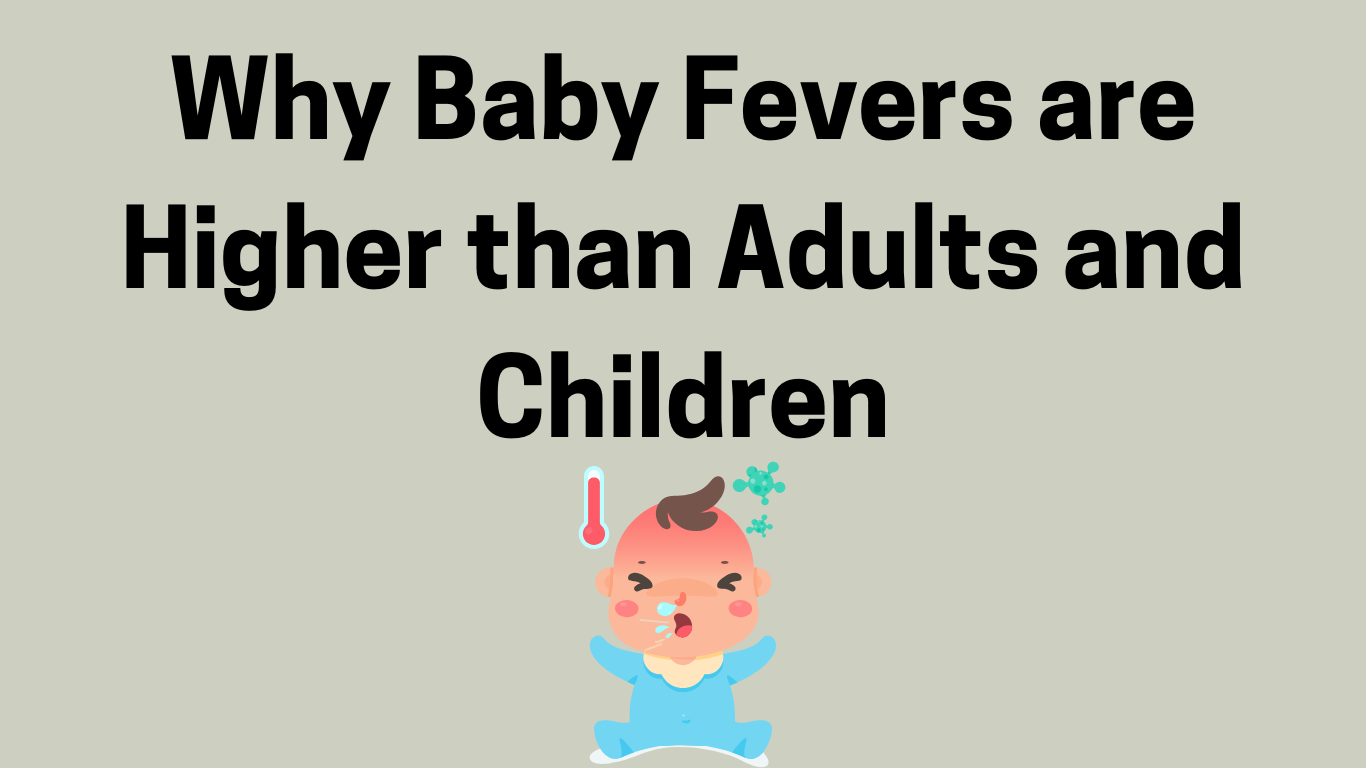
For new parents, a fever in their baby can be a terrifying experience. The sight of their little one flushed and uncomfortable is enough to send any parent into a state of worry. One of the most common observations is that babies seem to run higher fevers than older children, a phenomenon that often leaves parents perplexed.
This blog post will delve into the fascinating reasons behind this observation, exploring the intricate interplay of physiological factors unique to infants.
Understanding Why Baby Fevers are Higher than Adults and Children
Before we dive into the specifics of baby fevers, let’s briefly understand what a fever actually is. Fever is not a disease itself, but rather a symptom. It’s the body’s natural defense mechanism against infections.
- The Enemy Within: When the body encounters foreign invaders like viruses or bacteria, the immune system springs into action.
- Raising the Stakes: As part of this defense, the body’s “thermostat” – the hypothalamus in the brain – is reset to a higher temperature.
- Inhospitable Environment: This elevated temperature creates an environment that is less hospitable to many infectious agents.
- Immune System Boost: Fever also enhances the activity of the immune system, helping it to more effectively fight off the infection.
Why Babies Run Hotter: A Multifaceted Explanation
Now, let’s explore the key reasons why babies tend to experience higher fevers than older children:
1. Immature Thermoregulation: A Delicate Balance
- A Developing System: A newborn’s thermoregulation system – the intricate mechanism responsible for maintaining a stable internal temperature – is still under development.
- Limited Control: Unlike adults, babies have limited control over their body temperature. They lack the physiological sophistication to effectively regulate heat production and loss.
- Sweating Limitations: Sweating, a crucial mechanism for cooling down, is not as efficient in newborns.
- Shivering Challenges: Shivering, another important mechanism for generating heat, may not be as effective in infants.
2. Smaller Size, Bigger Impact:
- Surface Area to Volume Ratio: Babies have a significantly higher surface area-to-volume ratio compared to adults. This means they lose heat more rapidly through their skin.
- Increased Vulnerability: This increased heat loss makes them more susceptible to temperature fluctuations in their environment.
- Compensatory Mechanisms: To compensate for this heat loss, the body may trigger a stronger fever response to maintain core body temperature.
3. A Robust Immune Response: Fighting Back with Force
- Immature Immune System: A newborn’s immune system is still developing and learning to recognize and respond to a wide range of pathogens.
- Vigorous Response: This “immaturity” can sometimes lead to an overly vigorous immune response when encountering an infection.
- Elevated Inflammation: This heightened immune response can result in a more pronounced inflammatory reaction, which in turn contributes to a higher fever.
4. Behavioral Factors:
- Limited Communication: Babies cannot communicate their discomfort or the severity of their illness as effectively as older children.
- Delayed Diagnosis: This can sometimes lead to a delay in diagnosis and treatment, allowing the infection to progress further and potentially leading to a higher fever.
5. Individual Variations:
- Genetic Predisposition: Just like adults, babies can have varying genetic predispositions to fever. Some babies may naturally tend to run higher temperatures than others, even in the absence of infection.
- Underlying Conditions: Certain underlying medical conditions, such as congenital heart defects or chronic infections, can also contribute to higher fevers in some babies.
When to Worry: Recognizing Signs of Serious Illness
While a fever in a baby can be alarming, it’s important to remember that it’s often a sign that the body is actively fighting off an infection. However, there are certain situations where it’s crucial to seek immediate medical attention:
- Fever in Babies Under 3 Months Old: Any fever in a baby younger than 3 months old should be considered a medical emergency and requires immediate evaluation by a healthcare professional.
- High Fever (above 104°F or 40°C): High fevers can be dangerous for babies and require prompt medical attention.
- Fever Accompanied by Other Symptoms: If the fever is accompanied by other concerning symptoms, such as:
- Refusal to feed
- Lethargy or irritability
- Rash
- Stiff neck
- Seizures
- Difficulty breathing
- Crying inconsolably
- Changes in skin color (pale, blue, or gray)
Comforting Your Feverish Baby
While waiting for medical advice, there are several comfort measures you can take to help soothe your feverish baby:
- Dress them lightly: Avoid overdressing your baby, as this can trap heat and worsen the fever.
- Cool compresses: Apply cool, damp compresses to their forehead or neck.
- Tepid bath: A lukewarm bath can help to gently lower their body temperature.
- Increase fluid intake: Encourage frequent breastfeeding or offer plenty of fluids to prevent dehydration.
- Rest and comfort: Provide a calm and comfortable environment for your baby to rest.
Disclaimer:
This information is for general knowledge and informational purposes only and does not constitute medical advice. Always consult with a qualified healthcare professional1 for any health concerns or before making any decisions regarding your health or the health of your child.
Final thoughts on baby fevers verses adults and children
Fever in babies can be a source of significant parental anxiety. Understanding the underlying reasons why babies may run higher fevers can help to alleviate some of this concern. Remember that fever is a symptom, not a disease, and it’s crucial to contact your pediatrician promptly if you have any concerns about your baby’s health.
By staying informed and seeking appropriate medical guidance, you can ensure that your baby receives the best possible care during illness.