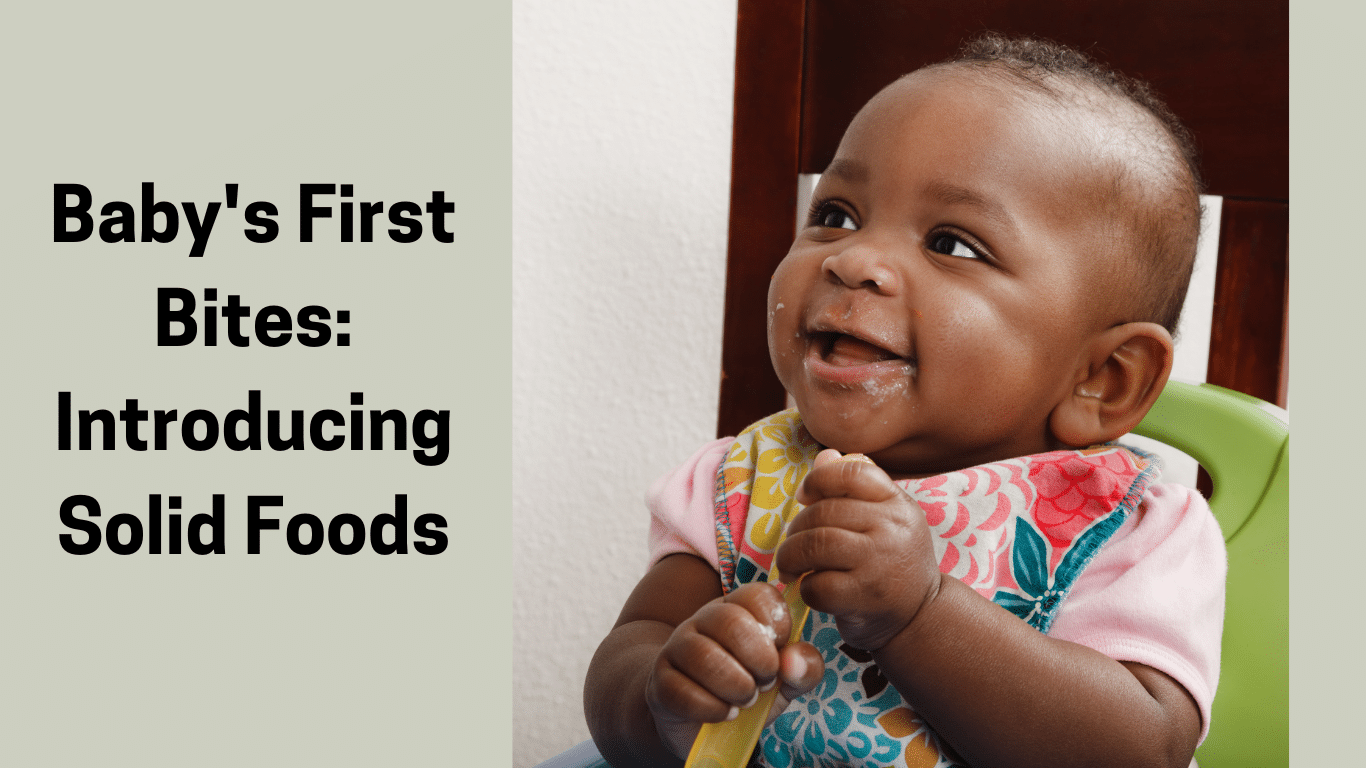
One of the most exciting milestones in a baby’s life is the introduction of solid foods. It marks a significant step in their growth and development, as they transition from solely relying on breast milk or formula to incorporating a variety of foods into their diet. However, it’s crucial to approach this transition with care and knowledge to ensure a smooth and safe experience for both you and your baby.
When to Start Solid Foods
The traditional recommendation was to wait until a baby was 4-6 months old to introduce solids. However, recent guidelines suggest that you can start as early as 4 months if:
- Your baby can sit up with support. This indicates good head and neck control, which is essential for swallowing solid foods.
- Your baby shows interest in food. Look for signs like watching you eat, trying to grab food from your plate, or making sucking or chewing motions.
- Your baby has lost the tongue-thrust reflex. This reflex helps babies push food out of their mouths when they’re not ready for solids.
How to Introduce Solids
- Start with Single-Ingredient Foods: Begin with simple, easily digestible foods like rice cereal, pureed fruits (apples, pears, bananas), and vegetables (sweet potatoes, carrots, peas).
- Introduce One Food at a Time: This allows you to monitor for any allergic reactions. Wait 3-5 days before introducing a new food.
- Offer Small Amounts: Start with a teaspoon or two and gradually increase the amount as your baby gets used to the new food.
- Offer Food with a Spoon: This helps your baby learn to coordinate their tongue, lips, and jaw muscles.
- Avoid Adding Sugar, Salt, or Honey: These ingredients are not necessary and can be harmful to your baby’s health.
- Be Patient: It may take several tries for your baby to accept a new food. Don’t force it; simply offer it again at a later time.
Common Feeding Challenges and Solutions
- Refusal to Eat: If your baby refuses to eat, don’t force it. Offer the food again at a later time or try a different food.
- Messy Eating: Expect messiness! Use a bib and clean up spills promptly.
- Choking Hazard: Always supervise your baby while they are eating and cut food into small, bite-sized pieces. Avoid foods that are hard, round, or sticky, such as nuts, grapes, and gummy candies.
- Constipation: If your baby becomes constipated, offer more fruits and vegetables, such as prunes or pears.
Baby-Led Weaning
Baby-led weaning is a feeding approach where babies self-feed soft, age-appropriate foods, such as steamed vegetables, soft fruits, and cooked pasta. This method allows babies to explore different textures and flavors at their own pace. However, it’s important to supervise your baby closely to prevent choking.
The Importance of Breastfeeding or Formula Feeding
Even as you introduce solid foods, it’s crucial to continue breastfeeding or formula feeding your baby. Breast milk or formula remains the primary source of nutrition for at least the first year of life. Solid foods should be considered complementary to your baby’s liquid diet.
Food Allergies
If you have a family history of food allergies, consult with your pediatrician about the best way to introduce potential allergens, such as eggs, dairy, and nuts. Your pediatrician may recommend a gradual introduction of these foods to minimize the risk of allergic reactions.
Iron-Fortified Cereals
Offer iron-fortified cereals to help meet your baby’s iron needs. Iron is essential for brain development and overall health.
Water
Offer water in a sippy cup after your baby is 6 months old. Avoid giving water before 6 months, as it can interfere with your baby’s intake of breastmilk or formula.
Common Mistakes to Avoid
- Starting Too Early: Introducing solids too early can increase the risk of choking and food allergies.
- Forcing Your Baby to Eat: This can lead to negative associations with food and make mealtimes stressful.
- Overloading Your Baby’s Plate: Offer small portions and let your baby ask for more if they’re still hungry.
- Ignoring Your Baby’s Cues: Pay attention to your baby’s hunger and fullness cues. Don’t force them to finish their plate.
Tips for a Smooth Transition
- Create a Positive Eating Environment: Make mealtimes enjoyable and stress-free.
- Offer a Variety of Foods: Introduce a wide range of flavors and textures to help your baby develop healthy eating habits.
- Be Patient and Persistent: It may take time for your baby to adjust to new foods. Don’t give up!
- Involve Your Baby in Meal Preparation: Let your baby help you wash fruits and vegetables or stir ingredients in a bowl. This can spark their interest in food.
Introducing solid foods is a significant milestone in your baby’s life. By following these guidelines and tips, you can ensure a smooth and enjoyable transition to solid foods, setting the stage for a lifetime of healthy eating habits.