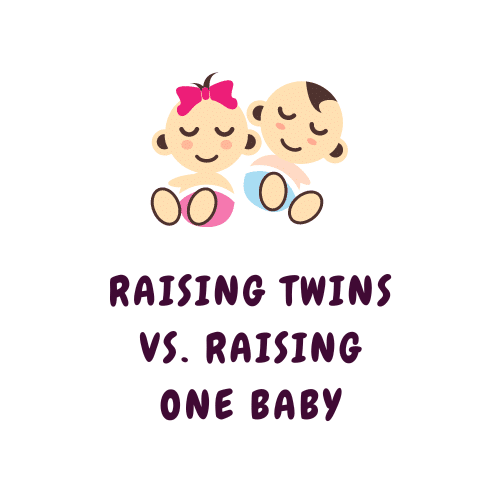
Raising children is a beautiful yet challenging journey that brings immense joy and fulfillment. When it comes to raising twins compared to a single baby, the experiences, challenges, and rewards can be quite distinct. Let’s delve into the differences and unique aspects of raising twins versus raising one baby, from birth to five years old.
The Newborn Stage
Twins:
- Double the Care: From the moment twins are born, parents need to double up on everything – feeding, diaper changes, and soothing. Nighttime can be especially challenging, as waking up to feed two babies often means less sleep for parents.
- Synchronization: A key strategy for managing newborn twins is trying to sync their schedules. If one wakes up to feed, parents often wake the other to keep them on the same sleep and feeding cycle.
Single Baby:
- Focused Attention: With one baby, parents can focus all their attention and energy on the needs of one child. This can make it easier to establish routines and manage sleep schedules.
- More Sleep: While still challenging, parents of a single baby often get more sleep compared to parents of twins, as there’s only one baby to feed and soothe.
The Infant Stage (3-12 Months)
Twins:
- Bonding Together: Twins often develop a unique bond, interacting with each other and learning social cues from a very young age. They can entertain each other, which can be a delightful sight for parents.
- Shared Milestones: Witnessing two babies reaching milestones like crawling and sitting up simultaneously can be incredibly rewarding, though it does double the supervision required.
Single Baby:
- Undivided Milestones: Parents can relish each milestone their baby achieves, focusing all their attention on capturing and celebrating these moments.
- Personal Interaction: One-on-one time with a single baby can enhance bonding and allows parents to cater to their child’s unique personality and needs.
The Toddler Stage (1-3 Years)
Twins:
- Double Trouble: As twins become more mobile, parents need to be extra vigilant. The phrase “double trouble” often rings true as two toddlers explore, climb, and get into mischief together.
- Built-in Playmate: On the positive side, twins have a built-in playmate, which can foster social skills and reduce the need for constant parental entertainment.
Single Baby:
- Focused Guidance: Parents can provide more individualized guidance and supervision, helping their toddler navigate the world and learn new skills.
- Independent Play: A single toddler may need more encouragement for independent play or arranging playdates to develop social skills.
The Preschool Stage (3-5 Years)
Twins:
- Teamwork and Competition: Twins often learn about teamwork and competition early on. They can be each other’s best friends and rivals, learning valuable lessons in cooperation and sharing.
- Individual Needs: It’s crucial for parents to recognize and nurture each twin’s individuality, ensuring each child feels valued and unique.
Single Baby:
- Individual Attention: A single child can receive more tailored attention and support, helping them develop confidence and a strong sense of self.
- Socialization Opportunities: Parents may need to seek out more socialization opportunities through preschool, playdates, and extracurricular activities.
Conclusion
Raising twins and raising a single baby each come with their own sets of joys and challenges. Twins offer the unique experience of watching two lives grow in tandem, while a single baby allows for more focused and individualized parenting. Regardless of the path, the journey from birth to five years old is filled with precious moments, milestones, and memories that shape the foundation of a child’s life. Whether you have one baby or twins, embracing the adventure with love, patience, and flexibility will make the journey a rewarding and enriching experience.