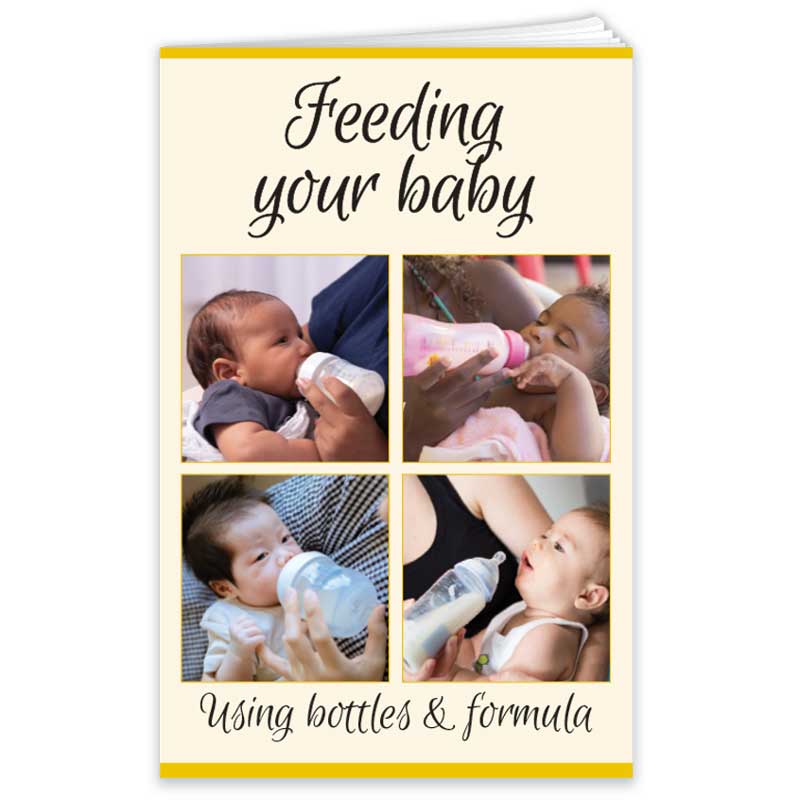
Introducing solid foods to your baby is a thrilling milestone, but it can also be a source of worry for many parents. One of the biggest concerns is the risk of food allergies. While it’s impossible to completely prevent allergies, understanding the most common culprits can help you navigate this stage with confidence.
Understanding Food Allergies in Babies
A food allergy is an immune system overreaction to a specific food protein. Unlike food intolerances, which cause digestive discomfort, food allergies can trigger a range of symptoms, from mild skin reactions to life-threatening anaphylaxis.
It’s crucial to remember that not all babies will develop food allergies. However, early identification is key for managing the condition effectively.
The Most Common Allergenic Foods
While any food can potentially trigger an allergy, certain foods are more likely to cause problems. Here’s a breakdown of the most common allergenic foods for babies:
- Cow’s Milk: One of the most common allergens, the AAP recommends exclusive breastfeeding for the first six months and introducing cow’s milk after one year.
- Eggs: Containing multiple allergenic proteins, eggs should be introduced cautiously.
- Peanuts: Known for severe reactions, the AAP recommends early introduction for high-risk babies but always consult your pediatrician.
- Tree Nuts: Similar to peanuts, these can cause severe allergies. Early introduction might be beneficial for high-risk babies, but consult your pediatrician first.
- Fish and Shellfish: Often delayed in introduction, these are moderate to high allergens.
- Wheat: A common allergen, especially in children with celiac disease, usually introduced around one year.
- Soy: Less common than others, soy can still trigger allergies, especially in formula-fed babies.
Signs of a Food Allergy
Recognizing the signs of a food allergy is crucial for early intervention. Symptoms can vary but may include:
- Hives or eczema
- Swelling of the face, lips, or tongue
- Difficulty breathing
- Vomiting or diarrhea
- Abdominal pain
- Colic or excessive crying
If you suspect an allergic reaction, seek medical attention immediately.
Preventing Food Allergies
While there’s no guaranteed prevention, some strategies may help:
- Exclusive breastfeeding: Provides essential antibodies and builds immunity.
- Delayed introduction of solids: The AAP recommends waiting until around six months.
- Gradual introduction of new foods: Introduce one food at a time, waiting a few days between new foods.
- Watch for signs of allergies: Pay close attention to your baby’s reactions.
When to See a Pediatrician
If you have any concerns about food allergies or your baby’s eating habits, consult your pediatrician. They can provide guidance, conduct allergy testing, and develop a management plan.
What to Do in Case of an Allergic Reaction
Understanding how to respond to an allergic reaction is vital.
Mild Allergic Reactions:
- Monitor your baby closely for worsening symptoms.
- Use a child-safe antihistamine if approved by your pediatrician.
- Consult your pediatrician if symptoms persist or worsen.
Severe Allergic Reactions (Anaphylaxis):
- Call emergency services immediately.
- Administer epinephrine if prescribed.
- Keep your child calm and lying down.
- Loosen tight clothing.
- Monitor breathing and be prepared for CPR.
Building an Allergy Action Plan:
- Know the signs and symptoms of an allergic reaction.
- Have emergency contact information readily available.
- Understand how to use an epinephrine auto-injector, if prescribed.
- Identify safe and allergen-free environments.
- Carry allergy information with you at all times.
Remember, prevention is key. By following your pediatrician’s advice and being vigilant, you can significantly reduce the risk of severe reactions.
Disclaimer: This blog post is intended for informational purposes only and does not constitute medical advice. Always consult with a healthcare professional for any concerns or questions about your child’s health.