Introduction
Biting is a common yet challenging behavior that many parents face during their child’s early years. While it can be alarming, it’s important to remember that biting is a normal part of toddler development. Understanding why your child bites and how to effectively manage and prevent this behavior is crucial for both their development and your peace of mind. In this blog, we will explore the reasons behind toddler biting, immediate actions to take when it happens, strategies to address the root causes, and long-term prevention methods. By the end of this guide, you’ll be equipped with the knowledge and tools to handle biting with confidence and compassion.
Understanding Why Toddlers Bite
Before addressing how to stop biting, it’s essential to understand why toddlers bite in the first place. This behavior can stem from several developmental and emotional factors.
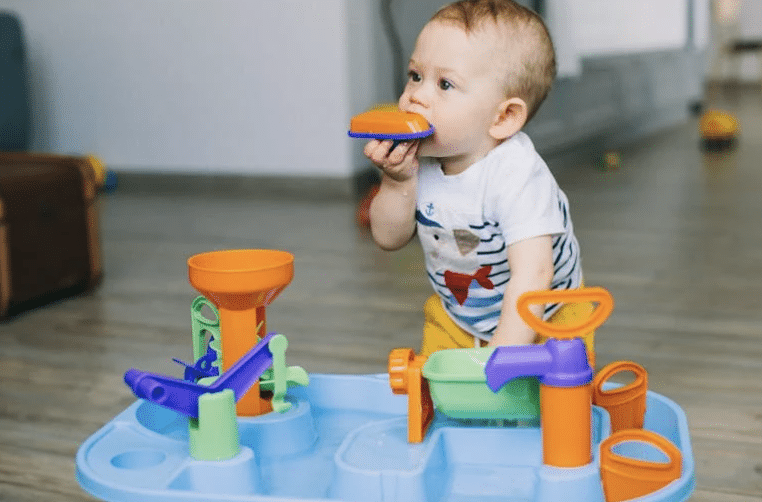
Developmental Milestones: Toddlers are in a phase of rapid development, where they explore the world through their senses. Biting can be a natural part of this exploration. For some children, it’s a way to experiment with cause and effect—biting something leads to a specific reaction. Additionally, during teething, toddlers may bite to relieve the discomfort in their gums, which can be particularly painful.
Communication Frustration: At this stage, toddlers often have a limited vocabulary, which can make it difficult for them to express their needs and emotions. Biting may become a form of communication when they feel frustrated, angry, or even excited. They might bite because they don’t have the words to say, “I’m upset” or “I want that toy.” Understanding that biting is sometimes a substitute for verbal communication can help in addressing the behavior more effectively.
Seeking Attention: Toddlers crave attention, and sometimes biting is a way to get it—whether positive or negative. If a child notices that biting results in a big reaction from adults, they might repeat the behavior to receive attention. It’s important to recognize when biting is an attention-seeking behavior and to respond accordingly.
Curiosity and Sensory Exploration: For some toddlers, biting is purely about sensory exploration. They might be curious about what happens when they bite something or someone, or they might enjoy the sensation of biting. This behavior is a part of their broader exploration of the world around them.
Immediate Steps to Take When Your Toddler Bites
When your toddler bites, your immediate response is crucial in shaping their understanding of the behavior. Here’s what to do:
- Stay Calm: Your initial reaction can significantly influence your child’s behavior. It’s important to stay calm, even if you’re upset or shocked. Reacting with anger or frustration can escalate the situation and might reinforce the behavior if the toddler is seeking attention. Take a deep breath and approach the situation with a clear mind.
- Firm and Clear Communication: Use a firm and calm tone to communicate that biting is not acceptable. It’s essential to be clear and direct. For example, you can say, “No biting. Biting hurts.” Keep your explanation short and to the point, as lengthy discussions may not be effective for toddlers.
- Comfort the Victim: If your toddler bit another child or even an adult, it’s important to address the needs of the person who was bitten. Show empathy by comforting the victim and let your toddler see this. For instance, if your child bit another child, you might say, “Look, your friend is hurt because of the bite. We need to be gentle with our friends.” This not only teaches empathy but also reinforces the idea that biting causes harm.
- Redirect the Toddler: After addressing the behavior, redirect your toddler’s attention to an appropriate activity. Offer them alternatives to biting, such as a teething toy or another sensory object. Engage them in a different, positive activity to help them move on from the incident. This redirection helps them learn that there are better ways to interact with their environment.
Addressing the Root Causes of Biting
To prevent future biting incidents, it’s important to address the underlying causes of the behavior.
- Enhancing Communication Skills: One of the most effective ways to reduce frustration-based biting is to help your toddler develop their communication skills. Encourage language development by teaching them words, gestures, or signs to express their needs and emotions. For example, you can teach them to say or sign “more” if they want more food or “no” if they don’t want something. The more tools they have to communicate, the less likely they are to resort to biting.
- Emotional Regulation: Toddlers are still learning how to manage their emotions. It’s important to help them identify and regulate their feelings, especially when they’re upset or frustrated. You can teach them simple techniques for self-soothing, such as taking deep breaths or hugging a stuffed animal. Over time, these strategies can help them manage their emotions without resorting to biting.
- Providing Adequate Attention: Ensure that your toddler receives enough positive attention throughout the day. This can help prevent attention-seeking behaviors like biting. Consistent routines, one-on-one time, and praise for positive behavior are all important aspects of providing the attention they need. When your child knows they will receive attention for good behavior, they are less likely to seek it through negative actions like biting.
- Managing Teething Pain: If your toddler’s biting is related to teething, focus on alleviating their discomfort. Cold teething rings, gentle gum massages, and teething gels can help soothe sore gums. It’s also a good idea to have several teething toys available so your toddler has something appropriate to bite on when they feel discomfort. If teething seems to be causing significant distress, consider consulting your pediatrician for additional advice.
Long-Term Strategies to Prevent Biting
To prevent biting from becoming a recurring issue, it’s important to implement long-term strategies that reinforce positive behavior.
- Consistent Boundaries and Consequences: Set clear rules about biting and consistently enforce them. Toddlers need to understand that biting is never acceptable, and there should be appropriate consequences when it happens. For example, if your child bites, you might implement a brief time-out or remove them from the situation. Consistency is key—if the rules are clear and the consequences are predictable, your toddler will learn to associate biting with negative outcomes.
- Positive Reinforcement: Positive reinforcement is a powerful tool in encouraging good behavior. Praise your child when they use words instead of biting, share with others, or demonstrate gentle touches. For example, if your child asks for a toy instead of grabbing and biting, you can say, “Great job using your words! I’m proud of you.” Reinforcing positive behavior helps your toddler understand what is expected of them and encourages them to repeat those actions.
- Role-Playing and Social Stories: Role-playing and social stories can be effective ways to teach your child how to interact with others appropriately. You can use dolls or stuffed animals to act out scenarios where characters solve problems without biting. Additionally, social stories—simple narratives that explain how to behave in certain situations—can help your toddler understand the importance of gentle behavior and empathy. These tools make learning fun and relatable for your child.
- Encouraging Empathy: Teaching your child empathy is an important part of preventing biting. Engage in activities that help your toddler understand the feelings of others. For example, during playtime, you can talk about how a doll or stuffed animal might feel if it’s treated roughly. You can also read books together that focus on themes of kindness and empathy. By fostering empathy, you help your child develop a greater understanding of how their actions affect others.
When to Seek Professional Help
In most cases, biting is a phase that toddlers outgrow with time and guidance. However, there are situations where seeking professional help may be necessary.
- Identifying Patterns: If biting becomes frequent, severe, or persistent despite your best efforts, it may indicate an underlying issue that needs to be addressed. Keep a journal of when and where biting occurs to identify any patterns or triggers. Understanding these patterns can help you and any professionals you consult better address the behavior.
- Consulting with Experts: If you’re concerned about your child’s biting behavior, don’t hesitate to reach out to a pediatrician, child psychologist, or another specialist. A professional can help assess whether the biting is related to developmental delays, sensory processing issues, or behavioral disorders. They can also provide tailored strategies and support to help you and your child manage the behavior.
- Working with Childcare Providers: If your child attends daycare or preschool, it’s important to collaborate with their caregivers to manage biting in group settings. Ensure that the strategies you use at home are consistent with those used in childcare. Communication between you and the caregivers is key to providing a unified approach that helps your child learn and grow in all environments.
Personal Experiences and Case Studies
Hearing from other parents who have gone through similar experiences can be both reassuring and informative. Here are a few real-life stories from parents who successfully managed their toddler’s biting behavior.
Real-Life Stories:
- Sarah’s Story: Sarah noticed that her son, Jack, started biting other children at daycare whenever he got frustrated. After discussing the issue with the daycare staff, they implemented a plan where Jack was taught simple words to express his frustration, like “help” or “stop.” They also provided him with a stress ball to squeeze when he felt overwhelmed. Over time, Jack’s biting decreased significantly, and he began using his words more often.
- Liam’s Story: Liam’s daughter, Emily, began biting when she was teething. He realized that she bit more often when she was tired or hungry. By adjusting her nap and meal schedule and providing plenty of teething toys, Liam was able to reduce Emily’s biting episodes. He also praised her whenever she used a teething toy instead of biting others, which reinforced the positive behavior.
Lessons Learned
From these stories, we can see the importance of understanding the specific reasons behind a child’s biting and addressing those needs directly. Whether it’s through improving communication, providing alternatives, or adjusting routines, these strategies can help reduce and eventually eliminate biting. Patience, consistency, and understanding are key components of success.
Conclusion
Biting is a challenging behavior, but it’s one that most toddlers will outgrow with time and guidance. By understanding why your toddler bites, taking immediate action when it happens, addressing the root causes, and implementing long-term prevention strategies, you can help your child learn more appropriate ways to express themselves and interact with others. Remember, parenting is a journey filled with learning experiences. Stay patient, remain consistent, and don’t hesitate to seek help if needed. With your support, your toddler will develop the skills they need to navigate their emotions and social interactions in a healthy and positive way.